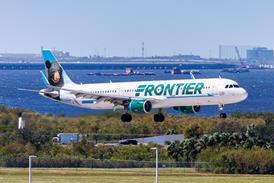














Airbus A320neo-family aircraft have not been involved in any load-reduction device activation events relating to CFM International Leap-1A engines, according to the European Union Aviation Safety Agency.
But EASA is advising interim measures to prepare crews for possible smoke incidents after two such occurrences that followed LRD activation on Leap-1B powerplants, fitted to Boeing 737 Max jets.
If the engine fan becomes substantially unbalanced – from blade damage, for example – the LRD is designed to reduce loads transmitted to the engine structure.
But its activation can create an oil leakage path into the compressor and contaminate bleed air being delivered to the environmental control system – leading to dense smoke in the cabin and possibly the cockpit.
This smoke can persist until the affected engine is shut down, or its bleed system isolated, which might require crew action.
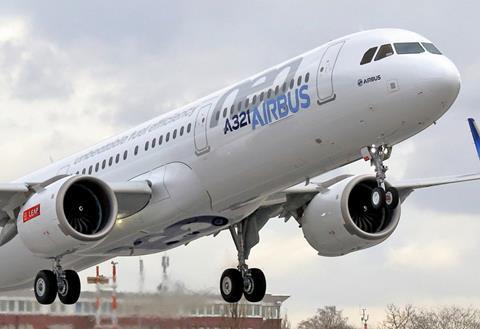
EASA says A320neo-family pilots, in the event of LRD activation, can secure the affected engine and mitigate smoke contamination by following quick-reference handbook procedures for dealing with engine failure and smoke.
While safety assessments of LRD events – and potential design changes to manage related oil-leak risks – are still in progress, the European regulator is issuing interim recommendations.
EASA says operators should identify to crews which aircraft in their fleets are fitted with Leap engines that feature LRDs.
It adds that crews should be prepared for possible LRD activation, and dense smoke in the cockpit, in the event of severe engine damage or high vibrations.
Such scenarios, it says, should be “properly emphasised” during crew conversion and recurrent training to ensure pilots are aware of the “challenges” of LRD events.