












Russian aerospace firm Yakovlev is highlighting legislative measures aimed at averting development of a market for unapproved spare parts as a result of shortages driven by sanctions.

New legislation progressing through parliament is intended to address the need for design and manufacture of authentic spares – known as Parts Manufacturer Approval components – to open an alternative source for Russian-operated fleets.

“It is possible to install PMA components in [Russia] but they cannot be manufactured in our country,” states Yakovlev director of customer relations Vladimir Donchenko.

He cites the legislation’s explanatory note as assuming the shortage of foreign-supplied spares will not be resolved in the short term.

“It can be concluded that a market for alternative spare parts will actively develop in Russia,” it adds.

“But if regulatory measures lag behind the industry’s actual needs, there is a high likelihood that, instead of an orderly market for PMA components, carriers will face a grey market of inauthentic components.”

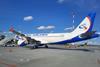
Ural A320-c-Ural Airlines

Source: Ural Airlines

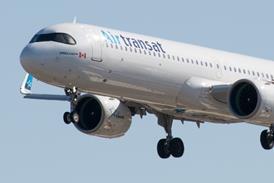
Russian carriers have retained dozens of Western-built jets but sanctions have throttled access to spares

Donchenko also indicates that the legislative text notes that Chinese PMA suppliers have an advantage over Russian industry, and that – given the availability and easier bureaucracy – conditions are being established for relocation of production to China.

Russia’s government seized dozens of foreign aircraft, particularly Airbus A320 and Boeing 737 models, operated by the country’s carriers after international sanctions were imposed over the Ukrainian conflict, but the constraints placed on spares supply – and the slow pace of Russia’s certification of new domestically-built aircraft types – is putting pressure on the airline industry.

“Under sanctions, the use of PMA components is one of the main ways to maintain a fleet of civil aircraft – both foreign and Russian – using Western systems and assemblies,” says Donchenko.

Yakovlev says it collaborated with members of the Russian Federation Council to develop a relevant bill to amend the country’s Air Code last year, and it has progressed through a number of legislative stages. Russian federal air transport regulator Rosaviatsia will be tasked with approving component manufacture and installation.