















While much of the defence world was focused on the murky aerial engagement between India and Pakistan last week, the US Army quietly made the second shake-up to its long-term aviation strategy in as many years.
In the skies over the subcontinent, Indian and Pakistani fighter pilots traded beyond-visual-range missiles on the night of 6-7 May, with both sides seemingly reluctant to send aircraft across the border into enemy territory.
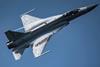
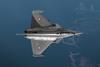
In cyberspace, nationalist influencers from the two belligerents pushed competing analyses of the air battle’s aftermath, while government officials further muddied the waters with diverging claims. Unverified reports from unnamed Western intelligence officials seem to indicate that India lost at least one French-made Dassault Aviation Rafale fighter at the hands of a Pakistani Chengdu J-10C fighter, although the veracity of images purportedly showing the wreckage has been called into question.
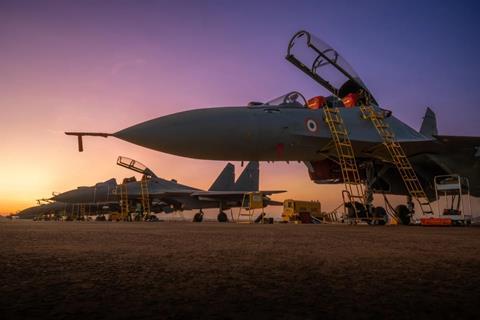
Although New Delhi now says all its pilots have returned home safely, the claim notably did not specify whether the same can be said for the aircraft that carried those aviators into the fight.
As the simmering conflict reduced to a war of words, in Washington the US Army revealed the second major shake-up to its aviation strategy in less than two years.
The service scrapped several high-profile development programmes, including the Improved Turbine Engine (ITE) and the Future Tactical UAS, which was about to begin competitive flight testing between Griffon Aerospace and Textron.
Under the ITE programme, GE Aerospace developed the T901 turboshaft that was set to modernise propulsion for the Sikorsky UH-60 and Boeing AH-64 rotorcraft fleets.
The demise of the new engine is perhaps not surprising, given it was chiefly intended to power the Future Attack Reconnaissance Aircraft – which the army cancelled in 2024 as part of a sweeping reorientation of aviation procurement plans.
However, the ITE decision was so suddenly announced that only one day prior a procurement officer from US Special Operations Command had touted plans to field the new T901 engine to the small fleet of MH-60 special operations Black Hawks flown by the army’s elite 160th Special Operations Aviation Regiment (SOAR).
The latest changes follow another major army aviation decision from only two weeks earlier that will see cuts to the legacy fleets of AH-64Ds and unmanned General Atomics Aeronautical Systems MQ-1C Gray Eagles, which Pentagon brass alternatively described as obsolete and outdated.
Bucking the trend of cuts, plans still appear largely on track to field Bell’s next-generation Future Long-Range Assault Aircraft (FLRAA) tiltrotor to conventional forces before the end of this decade, with special mission aviators receiving the new type around 2034.
We expect to learn more about the army’s latest aviation plans this week, as the annual Army Aviation Association of America conference kicks off in Nashville, Tennessee – not far from Fort Campbell, home to both the 160th SOAR and the storied 101st Airborne Division, which has traded its parachutes for assault helicopters in the years since the Second World War.
We will be reporting from the show with updates on major development programmes like FLRAA, the army’s expanding search for a new training helicopter and the latest development efforts within the rotorcraft industry.
Stay tuned to the defence landing page at FlightGlobal.com for the latest coverage from Nashville and around the world.