











The US National Transportation Board (NSTB) has released its final report on the January 2024 in-flight depressurisation of an Alaska Airlines Boeing 737 Max 9 – an incident that proved tectonic for Boeing’s commercial business and prompted sweeping changes in the airframer’s C-suite and on its factory floors.
The mid-cabin door-plug blow-out, which did not seriously injure passengers or crew, prompted a fresh wave of scrutiny from the flying public, US lawmakers and airline executives, representing another low point for Boeing as it struggled to recover its reputation following the 737 Max crashes of 2018-19.
Released on 10 July, the NTSB’s report concludes that the probable cause of the door-plug blow-out on Alaska flight 1282 from Portland to Southern California resulted from failing to provide ”adequate training, guidance and oversight necessary to ensure that manufacturing personnel could consistently and correctly comply with its parts removal process”.
That process was designed to ”document and ensure that the securing bolts and hardware that were removed to facilitate rework during the manufacturing process were properly reinstalled”, which did not occur before the jet was delivered to Alaska.
“Contributing to the accident was the [Federal Aviation Administration’s] ineffective compliance enforcement surveillance and audit-planning activities, which failed to adequately identify and ensure that Boeing addressed the repetitive and systemic non-conformance issues associated with its parts removal process,” the NTSB concludes.
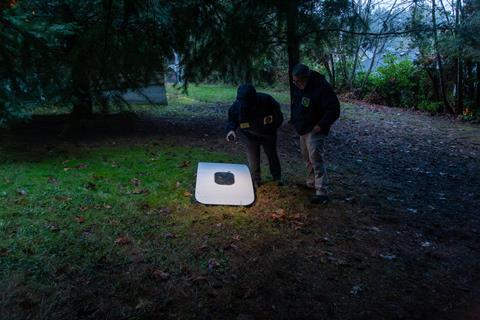
Boeing said last year that it is making design changes intended to prevent a repeat of the door-plug blow-out, with plans to introduce changes on newly manufactured jets and offer to retrofit in-service 737 Max aircraft with the updates.
The NTSB’s final report on the incident recommends that, once those design updates are certificated by the FAA, the agency should ”issue an airworthiness directive to require that all in-service [mid-exit door] plug-equipped airplanes be retrofitted with the design enhancement”.
The report contains an exhaustive list of recommendations for both Boeing and the FAA, including convening an independent panel to review the safety culture of Boeing Commercial Airplanes (BCA), boosting on-the-job training programmes and revising the company’s safety risk-management process.
In congressional testimony delivered in April, Boeing chief executive Kelly Ortberg – who took the reins from former CEO David Calhoun in the aftermath of the incident – told US senators that the company has significantly improved the quality and safety of its products since the door-plug blow-out.
In June, BCA chief Stephanie Pope told FlightGlobal that the company is pursuing moderate growth of its 737 programme following last year’s production shocks, which included a weeks-long machinists’ union strike that shut down Boeing’s production activity in the Pacific Northwest.
“We have the capacity to go up in rate, but it will really be based on how we’re performing and how the supply chain is performing,” Pope said. ”We’re not going to build a bunch of airplanes that are missing parts. We’re not going to do that again.”
Boeing continued building positive momentum in June by delivering 60 aircraft, including 42 737 Max aircraft – more of that type than in any month since December 2023, the company said on 8 July.
Asked to respond to the NTSB’s final report on the Alaska flight 1282, Boeing says it is still progressing on efforts to shore up safety processes across its commercial programmes.
”We at Boeing regret this accident and continue to work on strengthening safety and quality across our operations,” it says. “We will review the final report and recommendations as we continue to implement improvements.”