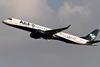












Latin American carrier Azul has filed a reorganisation plan, through which it will strengthen it finances and restructure its fleet, with the aim of emerging from US Chapter 11 protection.
The plan details an equity rights offering intended to raise up to $950 million, including a $650 million backstop, while strategic investors will contribute $300 million.
Azul filed for Chapter 11 in late May. It says in its filing that it has been able to leverage the Chapter 11 process to “transform” its business and simplify its balance sheet.
The plan will enable it to eliminate over $2 billion in debt, it states, and allow the airline to emerge from bankruptcy protection as a “strong, competitive, and global airline that continues to make Brazil accessible”.
“Azul expects to remain focused on maintaining the competitive cost structure it has obtained through its reorganisation in order to improve its financial position and pursue long-term stability and growth,” it adds.
The restructuring will give the airline a “streamlined and cost-effective fleet”, particularly given the approval of an extensive settlement with its largest lessor, AerCap, which will provide over $1 billion in cost savings.
Details of this settlement – through which the terms of AerCap aircraft and engine lease agreements have been amended – are heavily redacted, although it does confirm that Azul will purchase two Airbus A330-200, MSNs 527 and 532, both powered by Rolls-Royce Trent 700 engines.

Azul has also filed several other motions to reject aircraft agreements, some of which have already been approved by the bankruptcy court.
These include rejections of at least five Embraer 195s, two Boeing 737-400 freighters, and three ATR 72-600s, as well as several engines, plus an ATR purchase agreement dating back to 2010.
Other leasing firms with which Azul has been negotiating revised arrangements include Avolon, SMBC and PK Airfinance.
At the time of its Chapter 11 filing the airline had 226 aircraft, of which 188 were under operating leases and a further 23 were under finance leases.
Azul attributed the Chapter 11 filing to a variety of disruptive influences, including the aftermath of the Covid-19 pandemic, volatility in commodity and exchange markets, and the impact of last year’s Rio Grande do Sul flooding which resulted in multiple route suspensions.
The airline says the slowdown in global aircraft production has restricted carriers’ ability to expand and driven up leasing costs.
Azul’s indebtedness “more than quadrupled” since 2019, it says, adding that Brazil’s uncertain political and economic climate – as well as the “litigious environment” in which Brazilian carriers operate – have contributed to its financial pressure.