








A study carried out by IATA and consulting firm Oliver Wyman estimates that aerospace supply-chain issues are costing the global airline industry more than $11 billion this year.

Releasing the results of the study on 13 October, the global airline industry association says delays in the production of new aircraft and parts mean carriers are keeping older aircraft for longer, amid a commercial aircraft backlog that reached an “historic high” in 2024 of 17,000 aircraft, versus the 2010-2019 average of around 13,000.

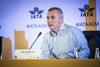
Willie Walsh IATA DG-001

Source: BillyPix

Walsh: waits are unprecedented

“Airlines depend on a reliable supply chain to operate and grow their fleets efficiently,” says IATA director general Willie Walsh. “Now we have unprecedented waits for aircraft, engines and parts and unpredictable delivery schedules.”

While Walsh acknowledges there is “no simple solution” to solving the challenge, which has been a high-profile feature of the industry’s emergence from the pandemic, IATA suggests four actions that could provide “some relief”.

Those actions include “opening up aftermarket best practices” by making MRO providers less dependent on “OEM-driven commercial licensing models”; “enhancing supply chain visibility” through bringing more clarity to “supplier levels”, while also making better use of data and tools “to make the whole chain more resilient and reliable”; using data to leverage “predicative maintenance insights” and facilitate the pooling of spare parts; and expanding repair and parts capacity.

IATA’s estimate on the cost of supply-chain delays this year is based on around $4.2 billion in excess fuel costs because airlines are operating older aircraft; $3.1 billion in additional maintenance costs because of the ageing fleet; $2.6 billion in costs from the need to lease more engines to cover longer time on the ground during maintenance; and $1.4 billion in costs relating to the stocking of more spare parts to mitigate supply-chain disruptions.

Global aerospace supply-chain challenges have been caused by factors such as supplier shutdowns during the pandemic, the rapid recovery of demand for aircraft post-Covid, shortages of skilled workers and key materials, and geopolitical tensions.

The estimated $11 billion of extra costs are hitting an airline industry that IATA forecast earlier this year would make an aggregate net profit of $36 billion in 2024 on revenues of $979 billion.