


Singapore will step up investments in areas like sustainability, aviation innovation and human capital, amid warnings of growing global uncertainty in a “more turbulent” world.
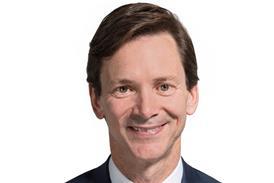
Director-general of the Civil Aviation Authority of Singapore (CAAS) Han Kok Juan notes that while Singapore has “performed well” in 2025 as an air hub – with passenger traffic hitting new highs – it has “to navigate more turbulent skies ahead”.
Han, who was speaking at a media briefing on 29 January, lists challenges such as “geopolitical tensions and uncertainties, economic fragmentation, reconfiguration of trade and supply chains [as well as] disruptive technologies”.
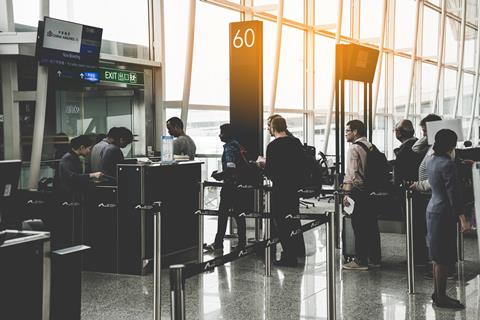
“At the more fundamental level, as the world becomes more uncertain and potentially more fractured, aviation is a unifying force that will continue to bring people together,” Han adds.
“We were quite happy that we ended 2025 strongly, setting a new record in passenger volumes, notwithstanding… a very volatile and challenging global environment. I think that speaks to the resilience and strength of the Singapore air hub,” he states.
Singapore’s Changi airport recorded close to 70 million passenger movements in 2025, about 3.4% higher year on year, and an all-time high.
“[It is] not something that we take for granted, and that is why, this year, we are looking at stepping up our investments to build new capabilities in the areas that we think matter, [such as] sustainability, innovation, [and] human capital development.”
Han adds that it was “important to be able to forge even stronger global partnerships, because in a very uncertain and fractured world, we must remain connected and maintain our relevance”.
Han was speaking a press briefing ahead of the Changi Aviation Summit, which will be held on 1-2 February during the Singapore air show.
CAAS will be signing nine agreements with various partners at the summit, including one covering sustainable aviation fuels. The agency – together with its wholly-owned subsidiary Singapore Sustainable Aviation Fuel Company (SAFCo) – will ink a memorandum of understanding with various companies to launch the country’s first voluntary SAF procurement trial, which will help “aggregate voluntary SAF demand” ahead of 1% SAF uplift target this year.
Other agreements will cover areas such as aviation innovation, as well as training and manpower development.