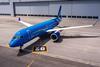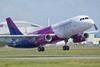














AirAsia has reiterated its aim of being an all-narrowbody operator, confirming that its existing fleet of Airbus A330s will be retired in the next five years or so.
As part of its move to operating only A320-family aircraft, AirAsia also confirmed that its existing commitments for the A330neo have been cancelled.
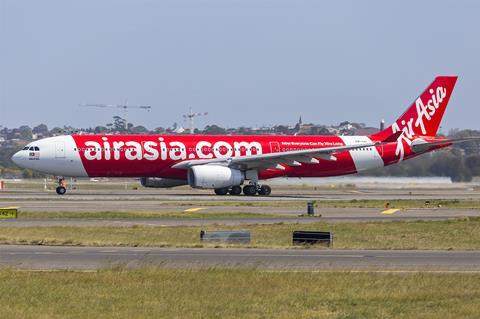
The fleet plans were disclosed by Capital A CEO, Tony Fernandes, who is also the founder of the low-cost airline group. Capital A is divesting its aviation business – comprising AirAsia units in Malaysia, Thailand, Indonesia, the Philippines and Cambodia – to medium-haul operator AirAsia X.
Asked by FlightGlobal at a 30 October press conference about the fate of its widebody fleet, Fernandes confirms its exit, adding that the group is looking to exit the A330s “in the next five or six years”.
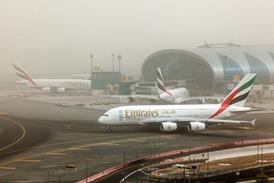
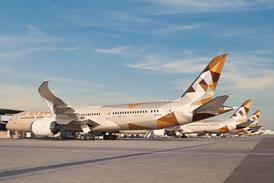
AirAsia X currently operates A330-300s on medium- to long-haul routes from its hubs in Kuala Lumpur and Bangkok, and has A330neos on order.
At the briefing, Fernandes says the “final chapter of restructuring is here”, after Capital A met “all conditions required” for the aviation business disposal.
The sale means the AirAsia and AirAsia X brands will be managed under the newly-formed AirAsia Group, operating a mix of Airbus narrowbodies and A330s. Capital A will retain 18% shareholding in the new airline group.
AirAsia Group, which will be headed by current aviation group CEO and airline veteran Bo Lingam, has outlined its target to operate over 500 Airbus jets in 10 years, nearly twice the current operating fleet.
Fernandes adds that the “ultimate goal” is unify the two carriers into a single AirAsia brand, but stops short of indicating a timeline for an eventual merger.
“When the airline consolidation is complete, AirAsia Group will run as one operation with a strategy built around multiple key megahubs across the region rather than relying on a single home market. The vision is to be the world’s first narrowbody low-cost network carrier,” states AirAsia in a press release.
The goal of being a “low-cost network carrier” was first floated by Fernandes at a July press conference, when AirAsia signed for an additional 50 A321XLRs, placing its first order since the Covid-19 pandemic.
At the time, Fernandes said the group had not arrived at a decision on the widebody fleet, though he told reporters “my personal preference” would be for an all-narrowbody operation in the long term.