
















On the surface the numbers are eye popping.
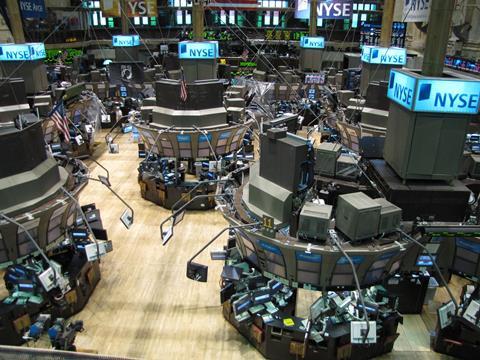
The top seven US defence contractors have spent $128 billion on purchasing their own stock over the last 10 years. That is roughly proportional to American defence outlays for research, development, procurement, and maintenance during that same period, according to the investment research firm Morningstar.
More commonly known as a share buyback, the tactic is a commonly used by publicly traded companies in the USA to boost their stock price by making use of excess capital.
But at a time of historic geopolitical tension and constrained industrial capacity, Washington is looking at the financial practices of defence manufacturers with increased scrutiny.
Last week, President Donald Trump unveiled an executive order seeking to limit the ability of defence contractors to declare buybacks and issue stock dividends – another related technique for boosting the appeal of a particular stock. He also called out defence firms for what he described as excessive compensation for top executives.
In a signature social media post, Trump described such financial practices as coming “at the expense and detriment of investing in plants and equipment”.
The new rules from the White House will limit the ability of individual defence contractors to engage in such financial practices, if the Pentagon deems them to be “underperforming” on their contractual obligations.
In reality, the linkage between industrial output and “returning money to shareholders” (in financial parlance) is less clear.
Unlike other industrial sectors, defence contractors often have only one customer: Uncle Sam. To a lesser extent Washington’s overseas allies offer an important supplemental market, but these must still seek US approval for major defence purchases.
To further complicate matters, the US government has been beset by budgetary chaos for over a decade and wild swings in policy from one administration to the next – to say nothing of the unclear and constantly shifting priorities at the Pentagon.
With only one Quixotic buyer, American defence firms have become understandably cautious about making big investments in developing new technology or expanding production of existing systems.
“We’re not making chocolate bars here,” says Tony Bancroft, the defence and aerospace portfolio manager at Gabelli Funds.
“Sometimes buying your own stock is probably the most-effective thing you do with your cash flow,” he notes. “You’re not going to build two lines for some of these capital-intensive, very technical things.”
In recent years, some manufacturers have increased capacity while also issuing large buybacks, including RTX and Lockheed Martin.
Others, notably Boeing, have abstained from offering dividends or buybacks while making major internal investments in new capacity.
Meanwhile, as the new year takes off, the FlightGlobal defence team is preparing for major aerospace industry events in Singapore and Saudi Arabia in early February. Stay tuned for our reporting from both locations in the coming weeks.
As a primer for the Singapore air show, you can find our latest analysis of fighter aircraft modernisation efforts underway in Southeast Asia here.
In a related development, Korea Aerospace Industries has wrapped up a six-year flight-test campaign with its KF-21 fighter, with service entry with the Republic of Korea Air Force due to occur later this year.
In Europe, meanwhile, Germany has signed a major order to acquire eight MQ-9B SeaGuardian remotely-piloted aircraft from General Atomics Aeronautical Systems, with deliveries to start in 2028.
And don’t miss the next episode of our FlightGlobal Focus podcast, during which our defence team dissects the daring American raid on Caracas that removed Venezuelan president Nicolas Maduro from power.
Keep up with all our coverage by heading over to the defence landing page on FlightGlobal.com.