

















Sweden’s transport regulator believes an economic downturn, coupled with increasing air fares – partly through air taxation – as well as competition from rail are behind a halving of domestic airline passenger numbers compared with pre-pandemic levels.
Transportstyrelsen states that, prior to the Covid-19 pandemic, the domestic airline network carried around 8 million passengers.
But the figure has only recovered to around 4 million and, in 2024, declined compared with the previous year – in contrast to Nordic neighbours Norway and Finland – and its market has even been overtaken by that of Scotland.
“All countries show a sharp fall in 2020 as a result of the pandemic, but the recovery thereafter differs clearly,” says the regulator, in a newly-published analysis of Swedish domestic air transport over the last decade.
Although the pandemic resulted in an “abrupt disruption”, it probably “accelerated and amplified” other elements that were already having a “dampening effect” on the market, the analysis says.
It states that Sweden has, for several years, experienced an economic downturn which is likely to have affected demand for air travel. Real salaries have decreased while fares have risen, and online communication has proliferated – particularly since the pandemic.
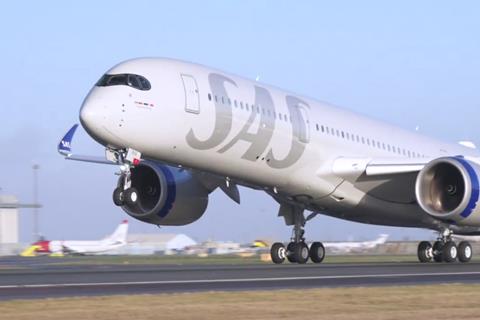
Sweden’s government levied an aviation tax from 2018 before abolishing it in July last year. IATA had criticised the tax, attributing to it the lag in Swedish air transport performance and claiming that it was “ineffective” as an environmental measure.
Transportstyrelsen believes the tax reduced demand for travel but also “may have contributed to changing norms and values” relating to air transport.
While Sweden is associated with the term ‘flygskam’ – meaning ‘flight shame’ – the regulator points to evidence that such social environmental pressure has waned.
“There are indications that environmental issues are not as highly valued by the public today as when the aviation tax was introduced,” it states, suggesting that factors “other than environmental commitment” have influenced the development of domestic aviation, particularly given that Swedish international travel is edging closer to pre-pandemic levels.
Sweden’s rail network has gained market share on routes such as Stockholm-Malmo and Stockholm-Gothenburg, where trains offer a reasonable alternative to flying, and a dip in rail fares has probably supported a “partial shift” from air transport, the analysis says.
Transporstyrelsen says a weak Swedish currency and consolidation in the market have affected the domestic aviation situation.
“Supply and demand are affected by one another, which mutually have created a downward spiral,” it adds. “The economic downturn and weak demand are likely to contribute to airlines’ holding back on expanding their supply, which results in increasing ticket prices and further decreases the demand for air travel.”