













The aerospace industry dodged another bullet on 30 July when the administration of US president Donald Trump exempted Brazilian civilian aerospace products from steep import tariffs set to take effect on 6 August.
The White House on 30 July issued an order imposing an additional 40% tariff on many imported Brazilian goods. The new tax comes atop a 10% tariff Trump imposed on most countries, including Brazil, on 5 April.
That 10% tax has applied to aerospace products.
But the new 40% duty will not.
As with other trade deals recently struck by the US president and his aides, the administration carved out exemptions for Brazil-made civilian aerospace products.

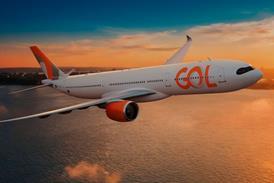
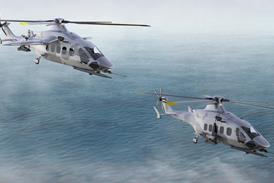
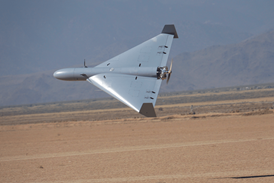
The exemptions apply to civilian aircraft and their components, including engines, sub-assemblies, tubes, pipes, tires, gaskets, seats, steel, wiring and a host of other products. Also exempt are unmanned aircraft, the order says.
The exemptions take significant pressure off Brazil’s aerospace industry, which is anchored by Embraer, a company that relies heavily on sales to US airlines. Those carriers – SkyWest Airlines, Republic Airways and major US airline companies that purchase regional jets for their partner carriers – are also spared.
“The news confirms the positive impact and strategic importance of Embraer’s activities for the Brazilian and US economies. With this measure, Embraer’s exports to the US remain with 10% import duties,” Embraer says of the aerospace exemption. ”We continue to believe in, and advocate firmly for, a return to the zero-tariff rule for the global aerospace industry…. We support the ongoing dialogue between the Brazilian and the US governments, and we remain confident about a positive outcome for both countries.”
The White House justified the 40% tariff as responding to the Brazilian government allegedly threatening US “national security, foreign policy and economy of the United States”. Brazil’s government has censored US social media companies and US content creators, says the order.
The latest carve out for aerospace is further evidence Trump values free trade of aerospace components. Recent US deals with the UK and European Union also included aerospace exemptions.
Also on 30 July, Trump said he reached a trade deal with South Korea. The USA will tax South Korean imports to the tune of 15%, and South Korea has committed to invest $350 billion in the USA.
More details about that investment will be released in two weeks when South Korean president Lee Jae Myung visits the White House, Trump says.
Previous such economic meetings between Trump and other leaders in recent months have resulted in several large orders or commitments for Boeing, including from Japan, Qatar Airways and Gulf Air.