













British Airways and Iberia parent IAG posted a 17% increase in full year operating profits for 2025, but is still seeing the impact of supply chain and aircaft availability issues.
IAG on 27 February disclosed an operating profit of just over €5 billion ($5.9 billion) for last year. That was achieved off the back of a 3.5% increase in group revenues to €33.2 billion.
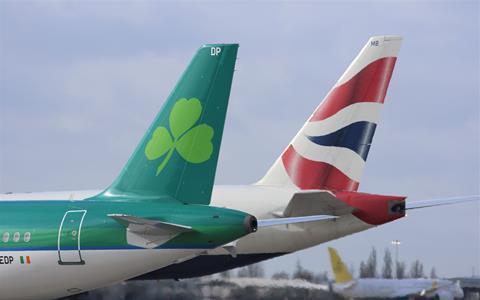
All the group’s airline operating units posted a profit in 2025.
British Airways led profitability in the group during the year. The UK carrier posted an operating profit of £2.2 billion ($3 billion), up £182 million.
Iberia reported the biggest improvement in posting a profit of €1.3 billion ($1.54 billion), an increase of €286 million – or €446 million before exceptional items.
Aer Lingus’ profit was up €77 million at €282 million, while Vueling was the only airline unit not to improve profitability. The Spanish carrier’s full-year profit dropped by €7 million to €393 million in 2025.
IAG expects to lift capacity by around 3% this year. This growth will be led by long-haul low-cost unit Level at 9%, albeit off a relatively low base, followed by Iberia with 5% growth, British Airways growing 4% and 3% additional capacity from Aer Lingus. Spanish low-cost carrier Vueling will keep capacity flat.
The IAG profit equates to an operating margin of 15.1%, at the upper end of the mid-term objective of delivering an operating margin between 12-15%, which the airline group set in November 2024.
”We are focused on delivering in the range we have already set out of 12-15%,” says IAG chief financial officer Nicholas Cadbury, who steps down from the role in June. ”Our view is if we can keep towards the top end of that range, keep delivering 15% and grow at 3-4% ASKs [available seat kilometres], that is an incredibly strong performance and generates huge amounts of cash and shareholder returns and allows us to invest in the business.”
That investment includes a number of aircraft deliveries. IAG had 217 aircraft on firm order as of the start of the year and options on a further 195 aircraft.
”The back end of this year and into next year we are starting the refleeting at Vueling with the 737 [Max], so that starts ramping up in 2027 onwards. That takes around six years to do,” says Cadbury. ”Then in 2028 you start getting the deliveries of the 777-9s into British Airways and then the planes we ordered in March really start to get delivered from 2029 onwards over four or five years.”
IAG in May disclosed orders for 71 widebody jets from Airbus and Boeing, including 32 Boeing 787-10s for British Airways and 21 Airbus A330-900 twinjets, which will be assigned to “Aer Lingus, Iberia or Level”.
Asked about continued supply chain and manufacturing challenges, Gallego says: ”The plan is we will receive 17 aircraft this year. We are pretty sure that the manufacturers are going to comply with this plan.
”We continue with the issue that everyone has with the engines,” he adds. “We have problems with GE engines in particular at Iberia, where they are suffering a lack of spare engines on the A330s. We have the problems with the GTF engine in Vueling, they have 16 aircraft grounded because of this situation And British Airways still has 787s grounded because of the Rolls[-Royce] issue. We hope in the case of BA this situation is going to recover in May; that is the plan we have right now.”