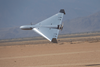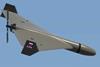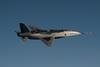















Boeing plans to begin assembling frontline versions of Australia’s new MQ-28 Ghost Bat autonomous fighter aircraft within the next two years.
Boeing is currently flying test and development Block I-model examples of the MQ-28 at Australia’s Woomera Test Range, with more than 100 sorties logged to date, including a live test shot of a Raytheon AIM-120 Advanced Medium-Range Air-to-Air Missile (AMRAAM) in late 2025.
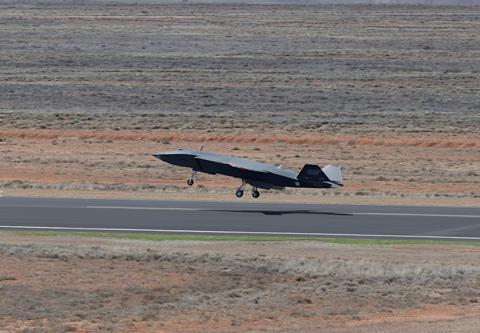
Speaking to FlightGlobal at the 2026 Singapore air show, Boeing’s MQ-28 programme director says the airframer has already begun ground testing its first operationally configured Ghost Bat – the MQ-28 Block II.
“We have the first one in the factory right now,” says Glen Ferguson. “It’s in ground test to go flying [in] the next couple months.”
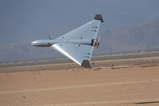
Outwardly, Ferguson says the Block II aircraft will closely resemble the initial MQ-28 design. The only notable change is the elimination of the Block I’s distinct sawtooth wing shape.
In terms of combat capability, the onboard mission systems that were successfully tested last December will be incorporated into the Block II aircraft.
That test saw an MQ-28 team with two Boeing F/A-18F fighters and a Boeing E-7A airborne early warning and control aircraft from the Royal Australian Air Force (RAAF) to identity, engage and destroy an aerial target drone with an AMRAAM.
The Block I MQ-28 involved in that test event carried its missile on an external pylon beneath the fuselage. The Block II Ghost Bat will use a similar configuration.
However, Ferguson says the forthcoming Block III design will incorporate significant changes to the airframe and weapons loadout, including internal carriage bays and larger wings.
Each internal weapons bay will offer the option to carry one AMRAAM missile or two GBU-39 Small Diameter Bombs – a precision glide weapon produced by Boeing.
“Block III is the backbone for everything we do for the next 10 years,” Ferguson says.
To date, Australia has contracted with Boeing for nine Block II aircraft and the start of Block III production. Ferguson says the company plans to be assembling frontline-ready MQ-28 Block III examples within two years’ time.
“The most important thing for us in the next two years is generating an operational capability for the RAAF,” Ferguson says.
He adds that the Australian service will begin internally planning and overseeing its own MQ-28 flights within the next 18 months, a major step in transitioning the uncrewed fighter programme from an industrial development effort to a combat-ready platform.