

















Indian regulators are seeking to improve air transport accessibility by instructing carriers to offer at least 60% of seats on flights free of additional charges.
The country’s ministry of civil aviation states that passenger facilitation remains its “highest priority”, building on its UDAN domestic regional connectivity scheme.
It says India has developed the world’s third-largest domestic aviation market, encouraged by initiatives intended to support ease of travel.
The ministry has issued several more directions aimed at strengthening passenger convenience and transparency.
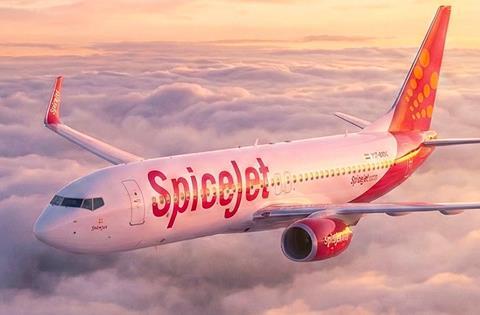
To “ensure fair access”, it states, a minimum of 60% of seats on flights must be allocated “free of charge” – meaning additional fees, such as those for seat selection, must not be imposed.
The measures also require airlines to seat passengers together if they are travelling as a group with the same passenger name record.
Several other requirements address the need for clear communication of passengers’ entitlements, and “strict adherence” to passenger-rights frameworks in the event of delays and other disruption.
The ministry says it “remains committed to enhancing passenger experience” and upholding standards within the air transport sector.
Civil aviation minister Ram Mohan Naidu Kinjarapu states that air travel in India has “evolved from being an elite privilege to an inclusive [experience]”, adding that Indian airports are handling over 500,000 passengers daily.