











Singapore is to develop the world’s first airport testing ground for technologies being developed though CFM International’s RISE open-rotor engine demonstrator programme, as part of an agreement with the propulsion joint venture and Airbus.
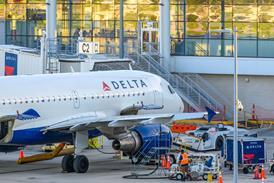
Under the memorandum of understanding (MoU) signed on 2 February, the Civil Aviation Authority of Singapore (CAAS) will work with its two partners to study the impact of open-fan engines, as well as other RISE technologies, on airport operations.
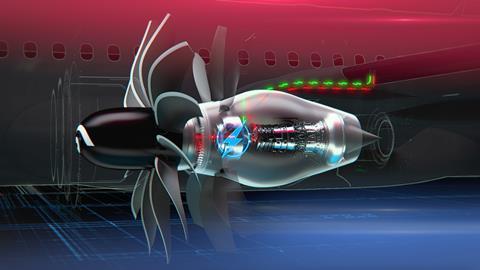
RISE is CFM’s effort to bring to market an open-rotor turbine for the next generation of narrowbody passenger jets for deployment from the middle of next decade.
The three parties will also co-develop a “readiness framework” to integrate open-rotor engines into existing airport operations.
CAAS, Airbus and CFM will also work towards conducting eventual operational trials of RISE’s engine demonstrators at Singapore’s Changi or Seletar airports. The trials will “test and validate the readiness framework and assess operational feasibility of this new technology”, the agency says.
The RISE pact is one of eight agreements signed by CAAS during the Changi Aviation Summit, which takes place 2 February alongside the Singapore air show. The MoUs cover areas including innovation, human capital development and sustainable aviation fuel (SAF).
In the latter case, CAAS, together with its wholly-owned subsidiary Singapore Sustainable Aviation Fuel Company (SAFCo), will work with nine companies to launch a voluntary procurement trial for sustainable fuels.
Partners on the project include Changi Airport Group, Singapore Airlines and its low-cost unit Scoot, Boston Consulting Group, as well as banks DBS and OCBC.
The trial covers voluntary procurement of SAF, and is an “important first step” for SAFCo to “test the end-to-end operational, commercial and accounting processes needed for a national level SAF procurement and environmental attributes allocation system”, says CAAS.
The agreement comes as Singapore prepares to impose a SAF levy – a world first – on all departing flights from October as part of a 1% uplift target this year.
Separately, CAAS will partner GE Aerospace, the Singapore Economic Development Board, as well as the International Centre for Aviation Innovation, to establish a partnership for aviation and aerospace research.
This will see the parties work to “develop next-generation aviation and aerospace technology solutions”, including airspace modernisation, advanced aerodynamic research, as well as the use of artificial intelligence to improve safety and operational effectiveness.
Elsewhere, CAAS has signed training co-operation agreements with the North Macedonian civil aviation regulator, and with ICAO for leadership and management training on air navigation services.