













IATA has called for action after calculating that final reports are yet to be published on 43% of commercial aviation accidents and incidents between 2018 and 2023, in contravention of state obligations under ICAO Annex 13.
The issue is among the topics covered in a series papers submitted by IATA to the upcoming triennial ICAO assembly, which begins in Montreal on 23 September.
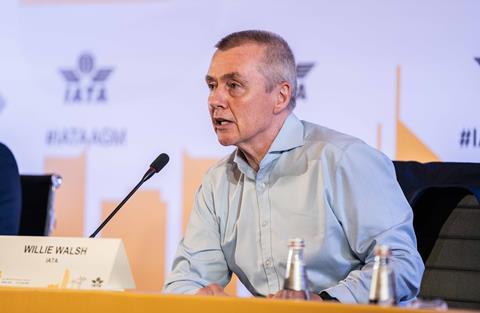
Speaking during a briefing ahead of the assembly on 17 September, IATA director general Willie Walsh says: “It’s very important that the states fulfil those obligations and produce a preliminary report within one month of the accident or serious incident, and then ideally to have the final full report within one year.”
Only 57% of safety incidents between 2018 and 2023 have a publicly available final accident report, IATA says.
The ICAO standard also explains that if it is not possible to publish a final report within a year of an incident, regular updates should be released.
“These reports are really critical to ensuring the future safety of the industry, because we spend a lot of time as an industry evaluating what happened to make sure that we can share knowledge… to ensure that these incidents and accidents aren’t repeated,” Walsh says.
Where a country lacks the resources to undertake such investigations in a timely manner, IATA is asking for “greater sharing of resources and assistance” in its submission to ICAO.
While a broad range of incidents are covered by the reporting requirements under ICAO Annex 13 – including those where there was damage to an aircraft but no injuries or fatalities – the crash of a China Eastern Airlines Boeing 737-800 in 2022, which killed 132 people, is among the incidents for which a final report is yet to be published.
IATA has official observer status in ICAO – the UN agency tasked with setting international aviation standards and regulations – meaning it can present papers for discussion during meetings of the body. Its other papers for the upcoming assembly focus on areas such as the lack of available offsets for the international CORSIA emissions scheme (Guyana continues to be the only country offering eligible credits) and the slow development of a commercial-scale sustainable aviation fuel industry.
It has also called for an increase in the age at which pilots in multi-pilot international operations must retire, from 65 to 67.