







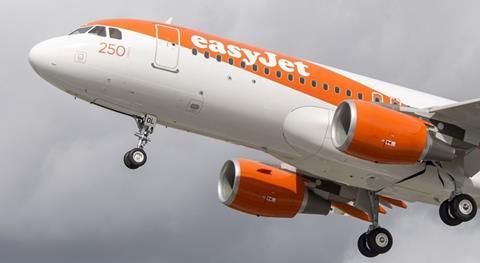
Fuel hedging and a route network weighted heavily to Western Europe will shield EasyJet from the worst effects of the Iran conflict, according to chief executive Kenton Jarvis. However, he says that if oil prices remain high the low-cost airline may be forced to raise fares by the “end of summer” as its advance purchase contracts start to expire.
Speaking at the launch event for its latest UK base in Newcastle on 23 March, Jarvis said a decision to delay until the winter season the reinstatement of its route to Tel Aviv, planned for later this month, has been the only immediate impact of the crisis. EasyJet axed its only two Middle Eastern destinations – Tel Aviv and Amman – immediate after the outbreak of the Hamas attack on Israel in October 2023.
EasyJet says reintroducing its Newcastle base – which it operated for 17 years from 2003 and from where it is siting three aircraft – is part of a strategy to invest in its UK network, which it maintains has grown by 30% in terms of seat capacity since 2023. Last year, the airline opened its 10th UK base, in Southend, and will add eight aircraft to its fleet at airports in the country’s regions this year.
EasyJet announced its plans to reopen Newcastle last September, offering 86 flights a week to 22 destinations, double the number it operated from the Northeast England airport last year. New routes include Antalya, Corfu, Lisbon, Prague and Tenerife.
EasyJet says the growth of its EasyJet Holidays offshoot will boost the viability of the Newcastle base. Around 6% of passengers across the network are flying on EasyJet Holidays packages. However, this proportion is as high as 50% from some of its UK regional airports, with consumers in those areas more likely to book trips through high street travel agents.
EasyJet is one of four low-cost or leisure carriers with significant operations at Newcastle, the others being Jet2, Ryanair, and TUI.