










Airbus has updated de-icing checklists after a number of incidents in which aircraft have failed to pressurise after the ditching pushbutton was inadvertently left active prior to take-off.
The revision has been disclosed by the UK Air Accidents Investigation Branch during its probe into an EasyJet A320neo cabin-altitude event, which occurred as the jet departed Belfast for Palma de Mallorca on 20 April last year.
Its captain initially expected the aircraft to be de-iced, a process new to the first officer who was undergoing line training.
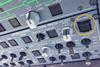
De-icing requires configuring the aircraft on the ground, to turn off bleed-air sources and activate the ditching pushbutton, in order to prevent cabin ingestion of de-icing fluid.
But de-icing of the EasyJet aircraft proved unnecessary and the crew reinstated the previous configuration using the checklist. The inquiry says, however, that the pilots “omitted” to return the ditching pushbutton – which is guarded – to ‘off’.
While the manufacturer specifies that, during flight, the pilots must crosscheck guarded controls before operating them, there is no such specification for operation on the ground.

As the aircraft took off, with the first officer flying, it climbed towards 39,000ft. It was cruising at this altitude, about 25min after departure, with the cabin altitude rising past 9,000ft when the captain queried why the air-conditioning packs were off.
The crew put on oxygen masks, declared an emergency, and the captain took over to initiate a descent to 10,000ft. The cabin altitude continued to increase, triggering a pressurisation warning.
As the A320neo descended the captain recycled the pack switched and noticed that the annunciator lights were still set at ‘dim’. He reset the switch to ‘bright’ and saw the ditching pushbutton was still engaged from the de-icing.
After deselecting the pushbutton, pressurisation of the aircraft resumed and the captain levelled the jet at 20,000ft. The cabin altitude – having reached a maximum of about 10,300ft – began to fall.
The crew discussed the situation and, given that the passengers’ oxygen masks had not deployed, opted to continue to Palma de Mallorca. The aircraft climbed to 37,000ft and proceeded without further incident. There were no injuries among the 183 occupants.
EasyJet subsequently identified 19 further events involving the ditching pushbutton between 2015 and the occurrence involving the Belfast-Palma flight – although all these other events were on the ground and related to selection of auxiliary power unit bleed air, or use of external air, with the pushbutton still selected.
But Airbus is aware of six previous events in which excess cabin altitude alerts were triggered in flight, with the ditching pushbutton activated, at least four of which were preceded by the pushbutton being left on after de-icing.
Airbus has amended the de-icing checklist to draw attention to the fact that leaving the pushbutton engaged will prevent pressurisation and lead to a cabin-altitude warning.