






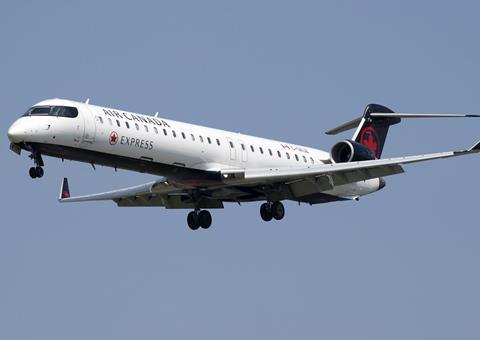
Preliminary analysis of air-ground communications at New York LaGuardia indicates that emergency vehicles were cleared to cross runway 4 prior to a fatal collision involving an Air Canada Express MHIRJ CRJ900 and a firefighting truck.
Neither the captain nor the first officer of the CRJ900, inbound from Montreal on 22 March, survived the accident.
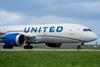
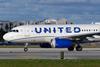
The truck appears to have been among vehicles responding to an emergency declared by a United Airlines Boeing 737 Max 8 which had twice rejected a take off from runway 13 over an “anti-ice issue”, according to communications archived by LiveATC.
At around 23:20, around 20min before the accident, the United crew informed ground control that they were heading back to the gate after the double rejection, remarking that there was an “odour” on the aircraft and requesting firefighting personnel.
Some 10min later the crew upgraded the declaration to an emergency, stating that flight attendants were “feeling ill because of the odour and requesting “any available gate”.
Ground control was having trouble finding a gate for the aircraft, but stated that firefighting personnel would bring support in case the crew decided to evacuate the 737.
The aircraft was located in the east of the airport, adjacent to runway 13, in the vicinity of taxiways A and K.
LaGuardia has a fire station located on the west side of runway 4, near taxiway D which crosses the runway.
Just as the 737 crew was being instructed to proceed to the ramp, the tower controller responded to a call from vehicles identifying themselves as “Truck 1 and company”, requesting to cross runway 4 at taxiway D.
After receiving clearance the vehicles confirmed they were “crossing 4 at Delta”.
At this point the inbound CRJ900 – which had been cleared to land on runway 4 – had touched down. Taxiway D lies about 800m (2,600ft) from the runway 4 threshold.
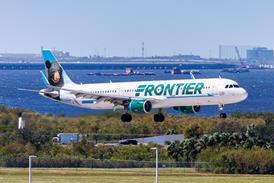
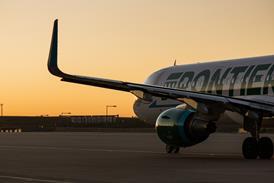
The tower controller began urgently issuing “stop” orders, to aircraft including a Frontier Airbus A320neo which was taxiing nearby. Other inbound flights were instructed to go around.
Air Canada states that 72 passengers and four crew members were on board the CRJ900, which was being operated by Jazz Aviation, and confirms the two pilots were fatally injured.
“[We] cannot confirm the exact number of injuries or if there are other fatalities at this time,” it adds.
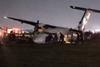
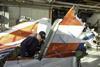
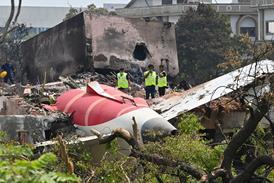
Images from the scene show the aircraft tipped on its tail with the cockpit section badly damaged. They confirm the identity of the jet as C-GNJZ
Investigators from the National Transportation Safety Board have opened an investigation into the collision.